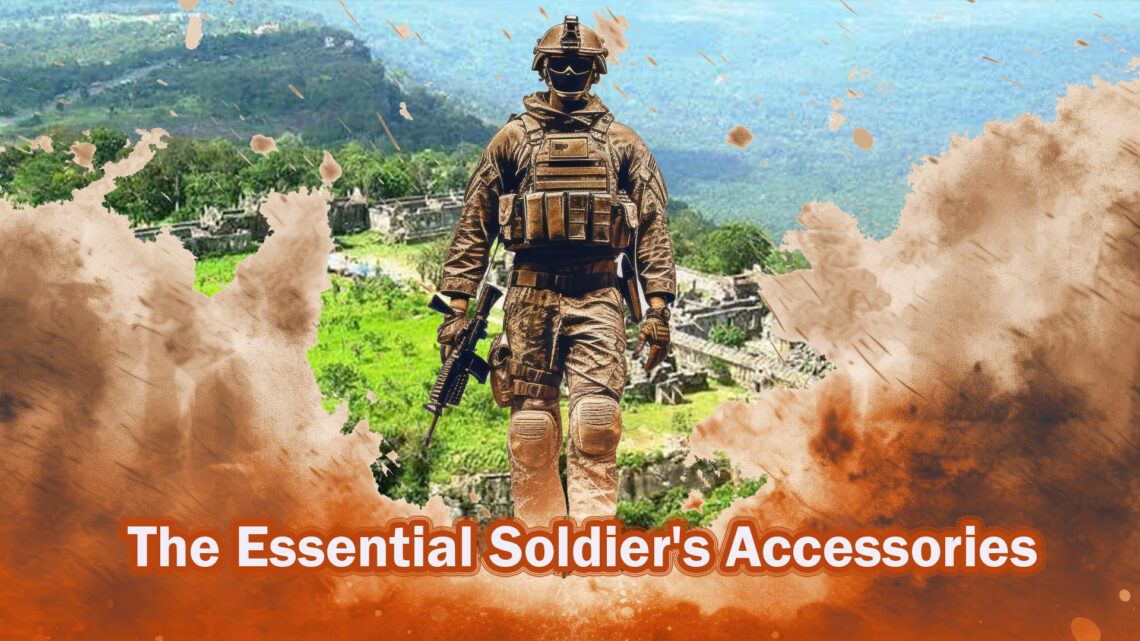
The Essential Soldier’s Accessories
August 23, 2025For a soldier engaged in combat, the most crucial accessory is not a single item but a combination of highly practical and versatile tools that enhance survivability, effectiveness, and communication. This content explores the importance of the essential soldier’s accessories, focusing on their strategic value in the unique and challenging environment of the Cambodia-Thailand border conflict.
The Cambodia-Thailand Border Conflict
The Cambodia-Thailand border conflict, particularly surrounding the ancient Preah Vihear temple, has been a source of tension and intermittent armed clashes for decades. The dispute, rooted in historical claims and contested cartography from the early 20th century, has seen periods of intense fighting that underscore the critical need for soldiers to be equipped with the best possible gear. Unlike large-scale wars, this conflict often involves localized firefights, patrols, and long-term garrison duty in a harsh, tropical environment. This specific context demands equipment that is lightweight, durable, and highly adaptable.
The soldiers are operating in the unique and demanding environment of the Cambodia-Thailand border conflict. This region’s dense jungles, mountainous terrain, and often humid, tropical climate create specific challenges that make the right gear not just a convenience, but a necessity for survival and mission success. The article will delve into the strategic importance of each recommended accessory, emphasizing how it directly addresses the environmental and tactical realities faced by soldiers in this particular conflict zone.
The Challenges of the Cambodia-Thailand Border Conflict
The conflict, centered on the disputed area around the Preah Vihear temple, isn’t a conventional war with front lines and massive troop movements. Instead, it’s characterized by:
- Jungle Warfare: The terrain is unforgiving. Dense vegetation, a lack of clear sightlines, and uneven ground make navigation difficult and increase the risk of getting separated from the unit.
- Harsh Climate: The extreme heat and humidity lead to rapid dehydration and heat-related illnesses. Soldiers are also exposed to a wide array of insects and diseases, including malaria and dengue fever.
- Improvised Explosive Devices (IEDs) and Landmines: The area is still littered with unexploded ordnance from decades of conflict, posing a constant, unseen threat to patrols.
- Localized Firefights: Confrontations are often sudden, intense, and short-lived, requiring immediate and decisive action. There is little time to fumble with gear or retrieve an item from a backpack.
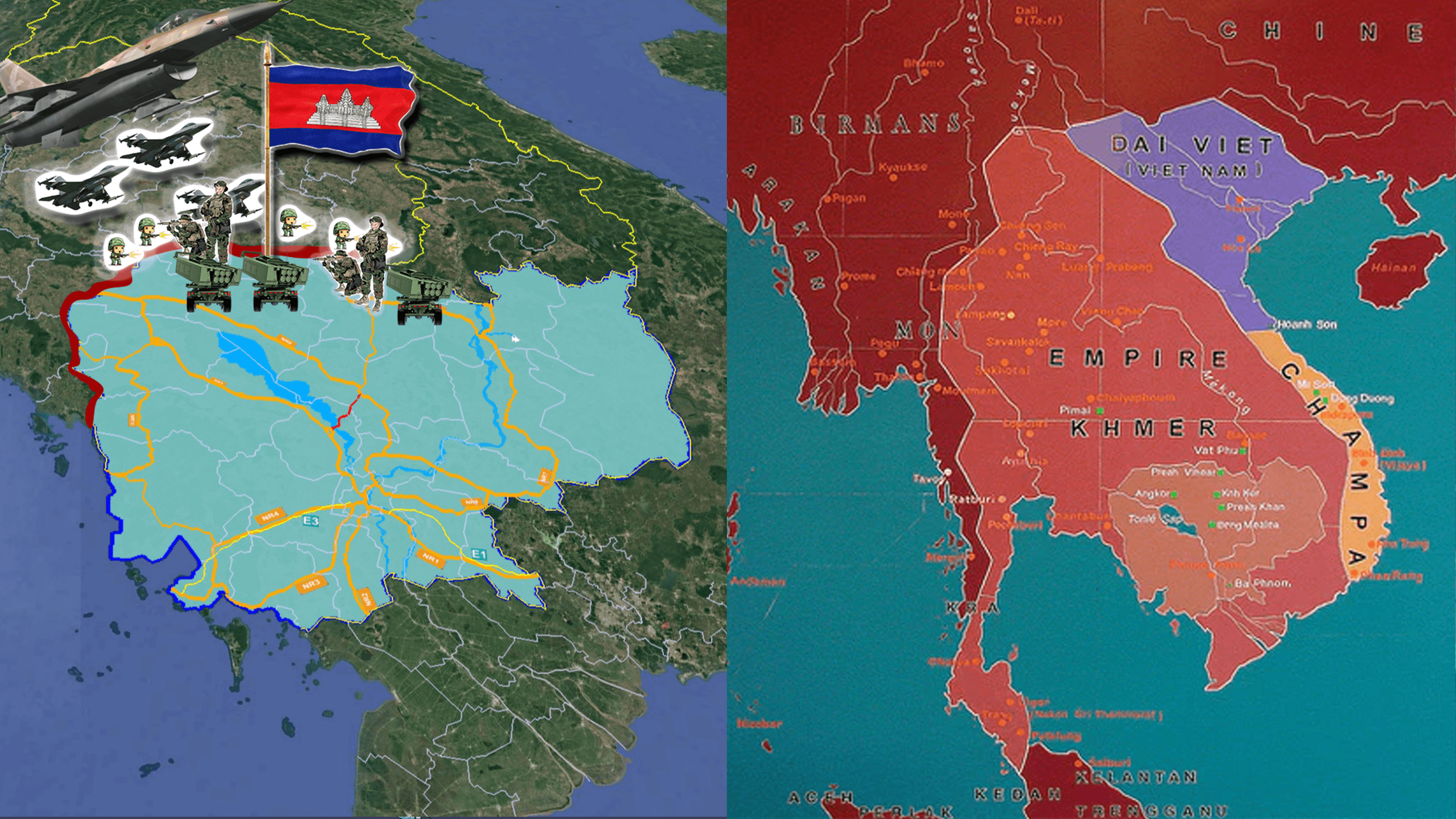
In the article, we are introducing the essential soldier’s accessories used on the battlefield as below:
The Multifunctional Tactical Watch: More Than a Timepiece
The single most valuable accessory for a soldier in the field is a high-quality, multifunctional tactical watch. This isn’t just about telling time. A modern tactical watch is a sophisticated piece of technology that integrates multiple critical functions into one durable, wrist-mounted device.
- Navigation: Advanced models include GPS, a compass, and a barometer. These features are essential for a soldier to maintain situational awareness, navigate complex terrain, and provide accurate location data for close air support or medical evacuation. In a dense jungle environment like the Cambodia-Thailand border region, traditional map and compass navigation can be challenging, making a GPS-enabled watch a lifesaver.
- Health Monitoring: Many tactical watches now track heart rate, oxygen saturation, and body temperature. This data helps a soldier monitor their physical condition under duress and can provide early warnings of heat exhaustion or dehydration, which are common threats in a tropical climate.
- Durability: A tactical watch is built to withstand extreme conditions. It must be shockproof, water-resistant, and have a long battery life to function reliably during extended missions.
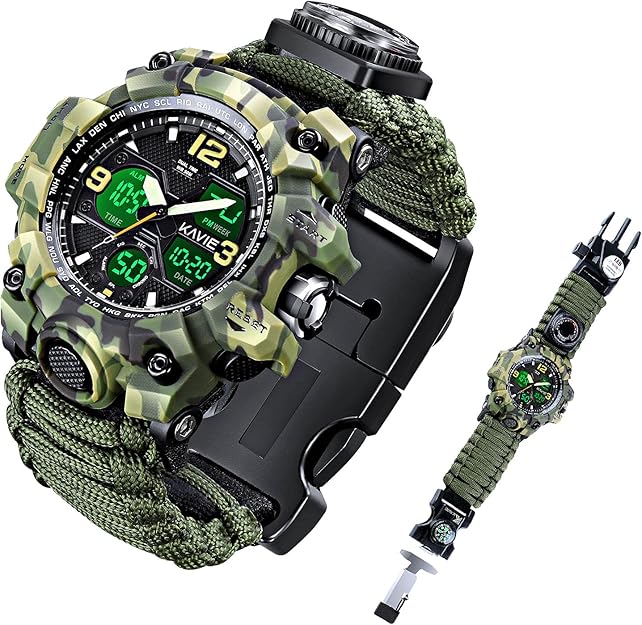
Mens Tactical Military Digital Watch, 23-in-1 Survival Multi-Functional Army Outdoors Waterproof Camouflage Sports Watches Dual Display Analog LED Electronic Wristwatches with Compass Paracord Band.
The Hydration System: A Non-Negotiable for Survival
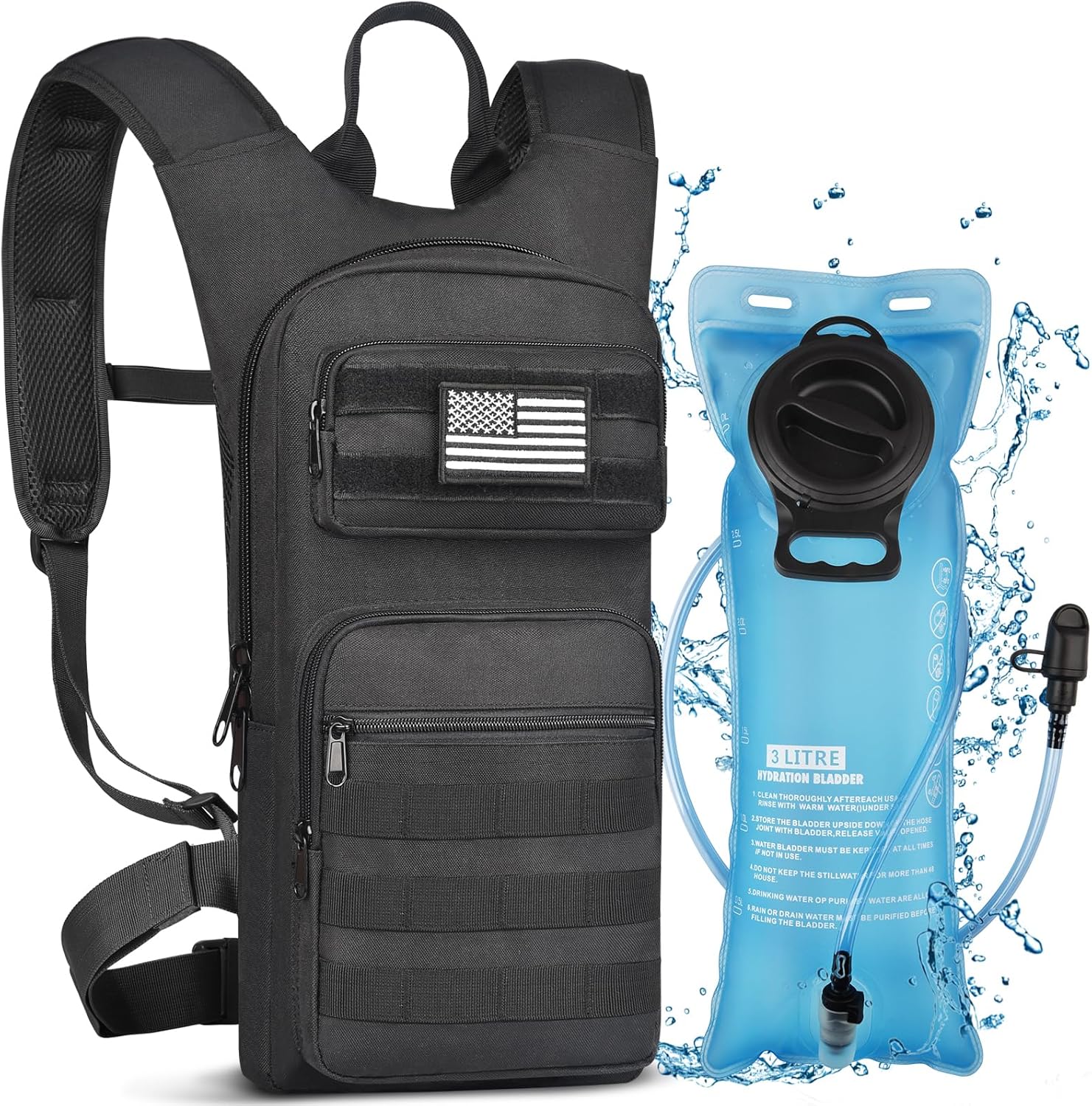
Dehydration is a constant threat to soldiers operating in the hot, humid climate of Southeast Asia. A reliable hydration system is an essential accessory. The best systems consist of a low-profile backpack or vest with a built-in water bladder and an integrated drinking tube.
- Continuous Hydration: This design allows soldiers to drink small amounts of water constantly without having to stop, remove their pack, and find a canteen. This is crucial during a patrol or firefight where every second counts.
- Capacity: A good system holds at least three liters of water, enough for a day’s worth of activity in a high-temperature environment.
- Durability and Cleanliness: The bladder and tube must be made from robust, non-toxic materials that are easy to clean to prevent the growth of bacteria and other pathogens.
NOOLA Hydration Backpack with 3L TPU Water Bladder, Tactical Molle Water Backpack for Men Women, Hydration Pack for Hiking, Biking, Running, and Climbing.
Tactical Gloves: The All-Purpose Hand Protector
A soldier’s hands are their primary tools. Tactical gloves provide critical protection and enhance performance. They are not simply a comfort item; they are a piece of essential safety equipment.
- Protection: High-quality gloves protect hands from abrasions, cuts, and burns from hot weapon barrels. In jungle environments, they also offer a barrier against thorns, insects, and other hazards.
- Grip and Dexterity: Modern tactical gloves are designed with reinforced palms and fingers that enhance grip on weapons, ropes, and other equipment. Crucially, they do so without sacrificing the dexterity needed to handle small objects, reload a magazine, or operate a radio.
- Specialized Features: Some gloves include knuckle protection for hand-to-hand combat or are designed to be flame-retardant.
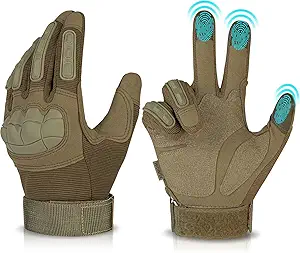
Tactical Gloves for Men, Motorcycle Military Combat Gloves Black Airsoft Gloves Touchscreen for Airsoft Outdoor Hunting Shooting Paintball Work Motorcycling Climbing
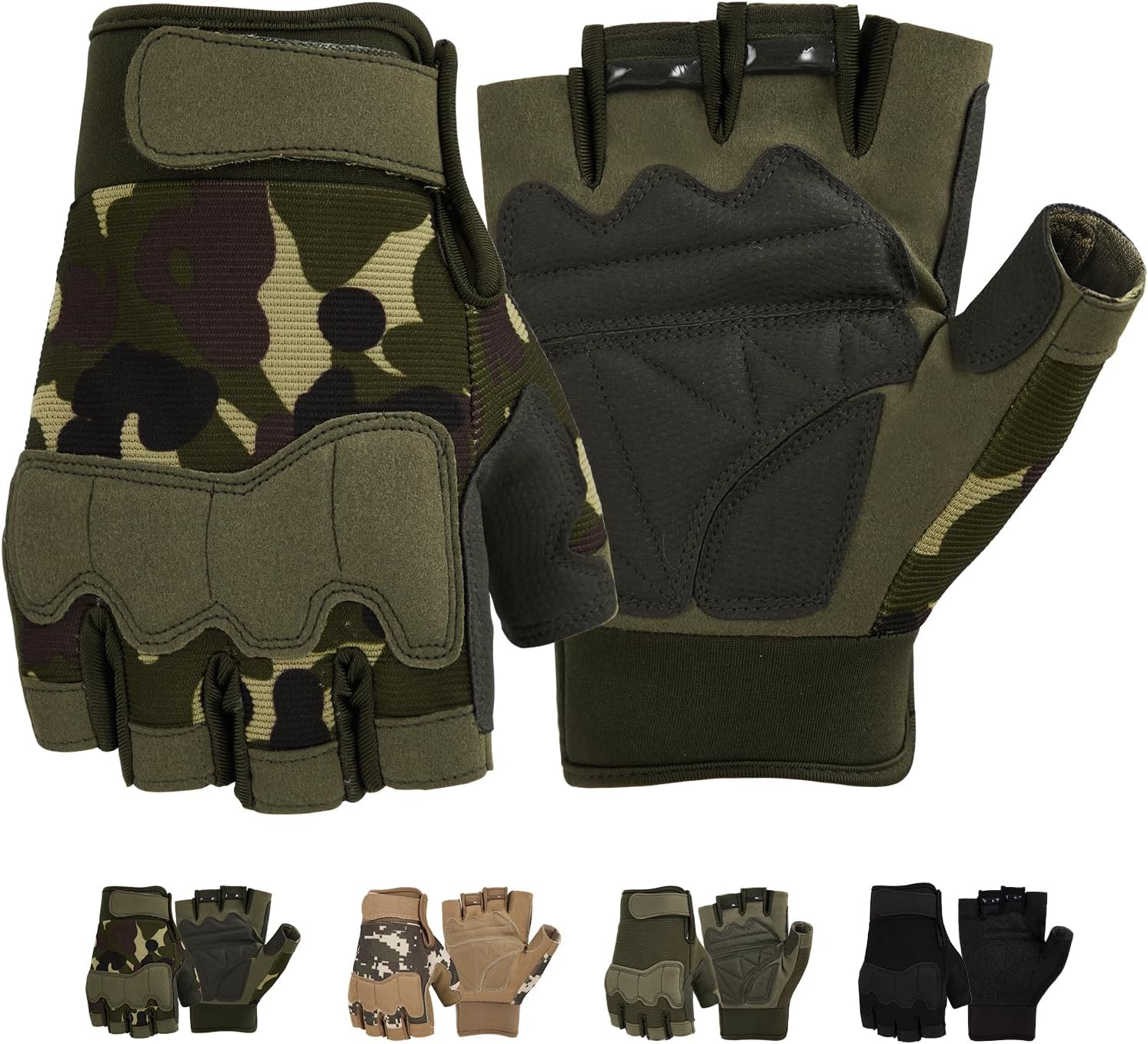
FIORETTO Fingerless Gloves for Airsoft Shooting, Half Finger Hunting Hiking Cycling Driving Motorcycle, Climbing Work Gloves M210603
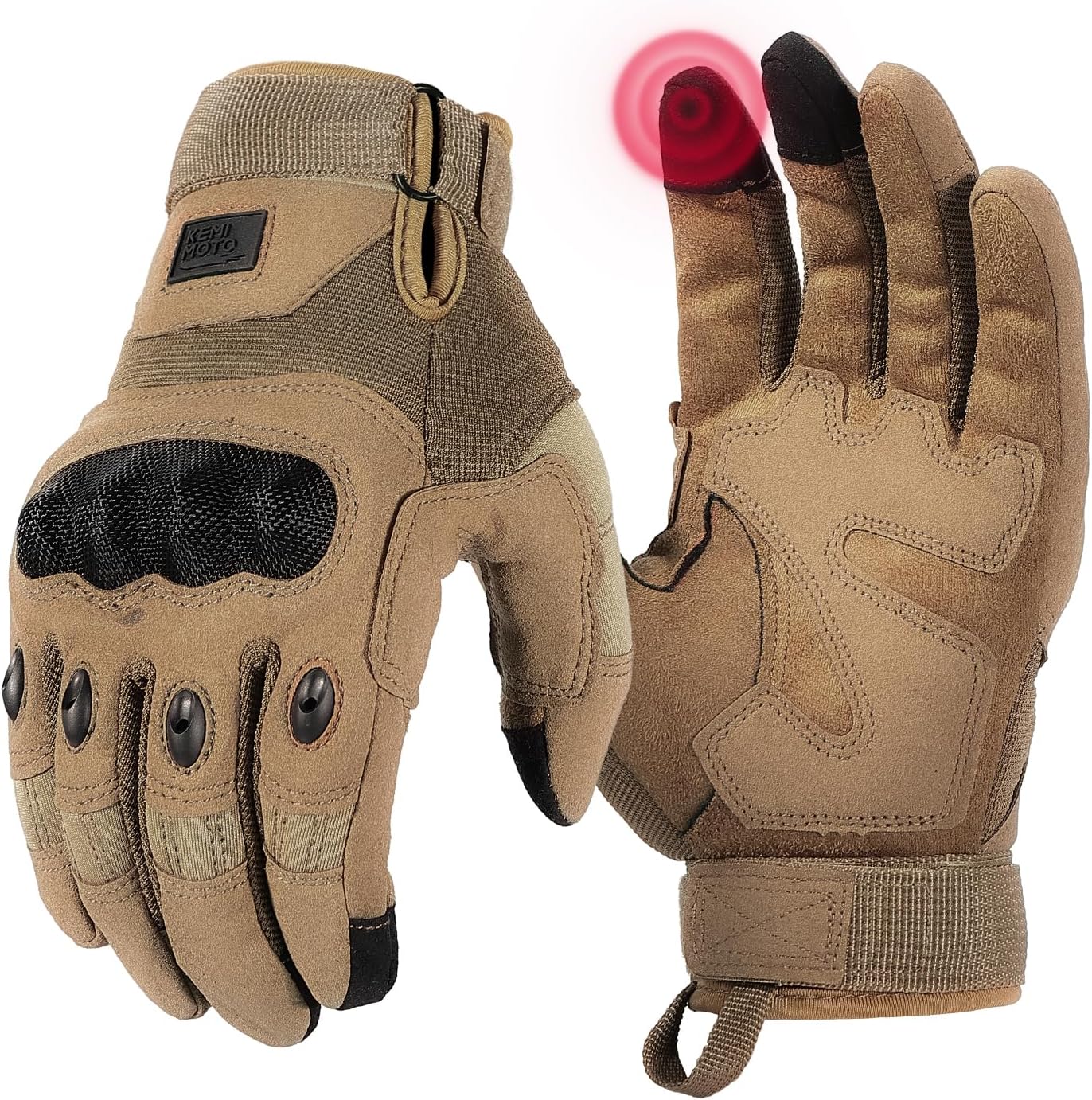
KEMIMOTO Tactical Gloves for Men, Touchscreen Motorcycle Gloves with Hard Shell & Palm Padding for Sports, Motorcycle Cycling Tactical Airsoft Paintball Hunting Hiking Camping Climbing.
The Headlamp: Illumination Without Exposure
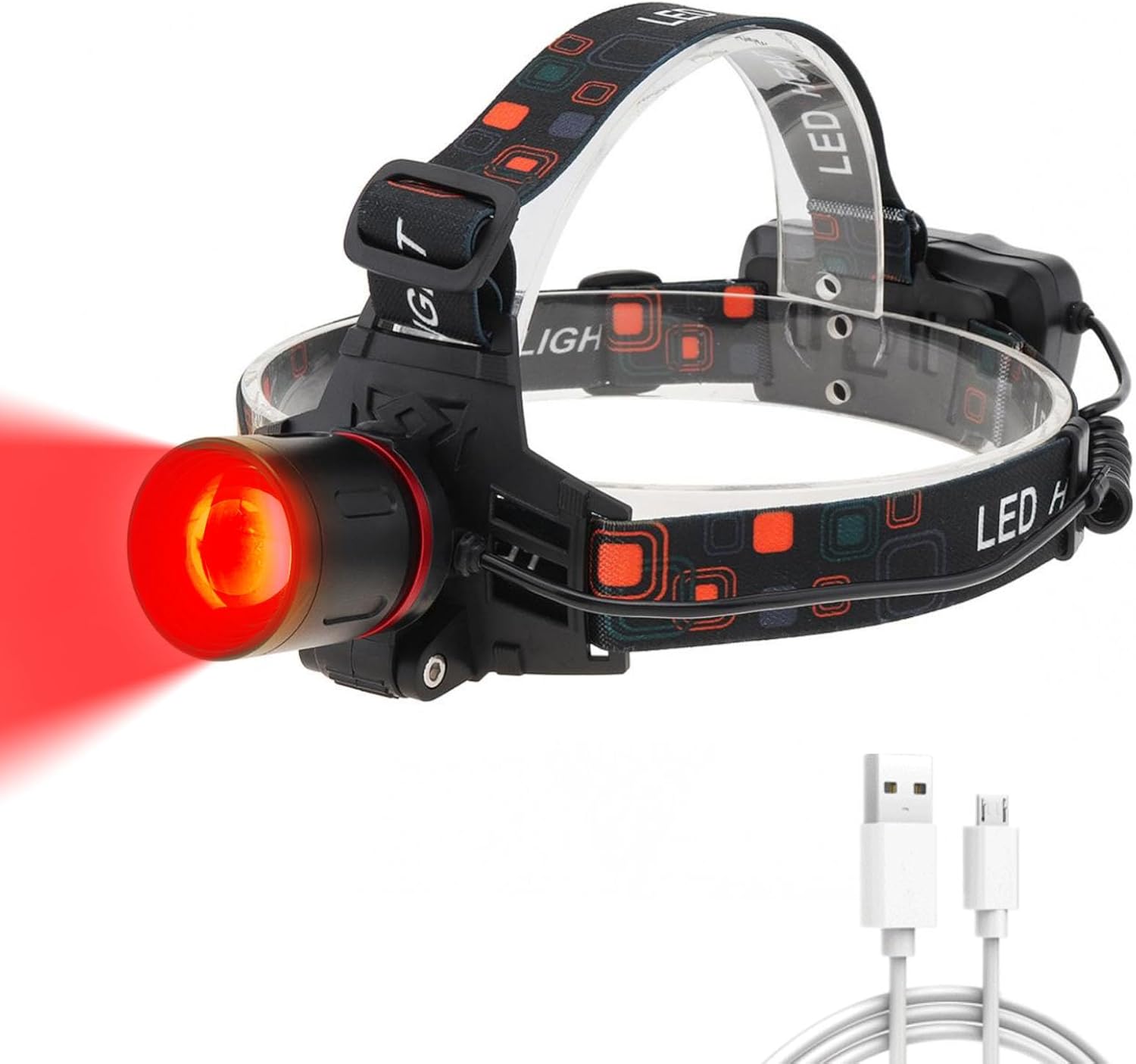
A simple yet profound accessory, a tactical headlamp is a soldier’s best friend during nighttime operations. Unlike a handheld flashlight, a headlamp allows a soldier to keep both hands free for other tasks, such as navigating, maintaining a weapon, or providing first aid.
- Stealth and Versatility: The best headlamps have multiple brightness settings and, most importantly, a red light mode. The red light preserves a soldier’s night vision and is far less visible to the enemy than white light, significantly reducing the risk of giving away their position.
- Durability: Like all military gear, a headlamp must be rugged, water-resistant, and have a long battery life to last through extended night missions.
WINDFIRE Red Light Headlamp, Rechargeable Red Hunting Lights Headlight with 3 Lighting Modes, Zoomable, IPX4 Water Resistance Red Coyote Predator Light for Astronomy, Stargazing, Night Observation.
The Multitool: A Compact Toolbox
The final essential accessory is a compact, military-grade multitool. It is the definition of “a jack of all trades, master of none” in the best possible way, offering a variety of functions in a single, portable device.
- Repair and Maintenance: A multitool is invaluable for making quick repairs to equipment in the field, from tightening a loose screw on a weapon to cutting through a piece of rope or wire.
- Survival: It often includes a knife, can opener, and other tools that are useful for survival and general utility.
- Efficiency: Carrying a multitool reduces the need for a soldier to carry a larger, heavier set of tools, thus lightening their load and improving their mobility.
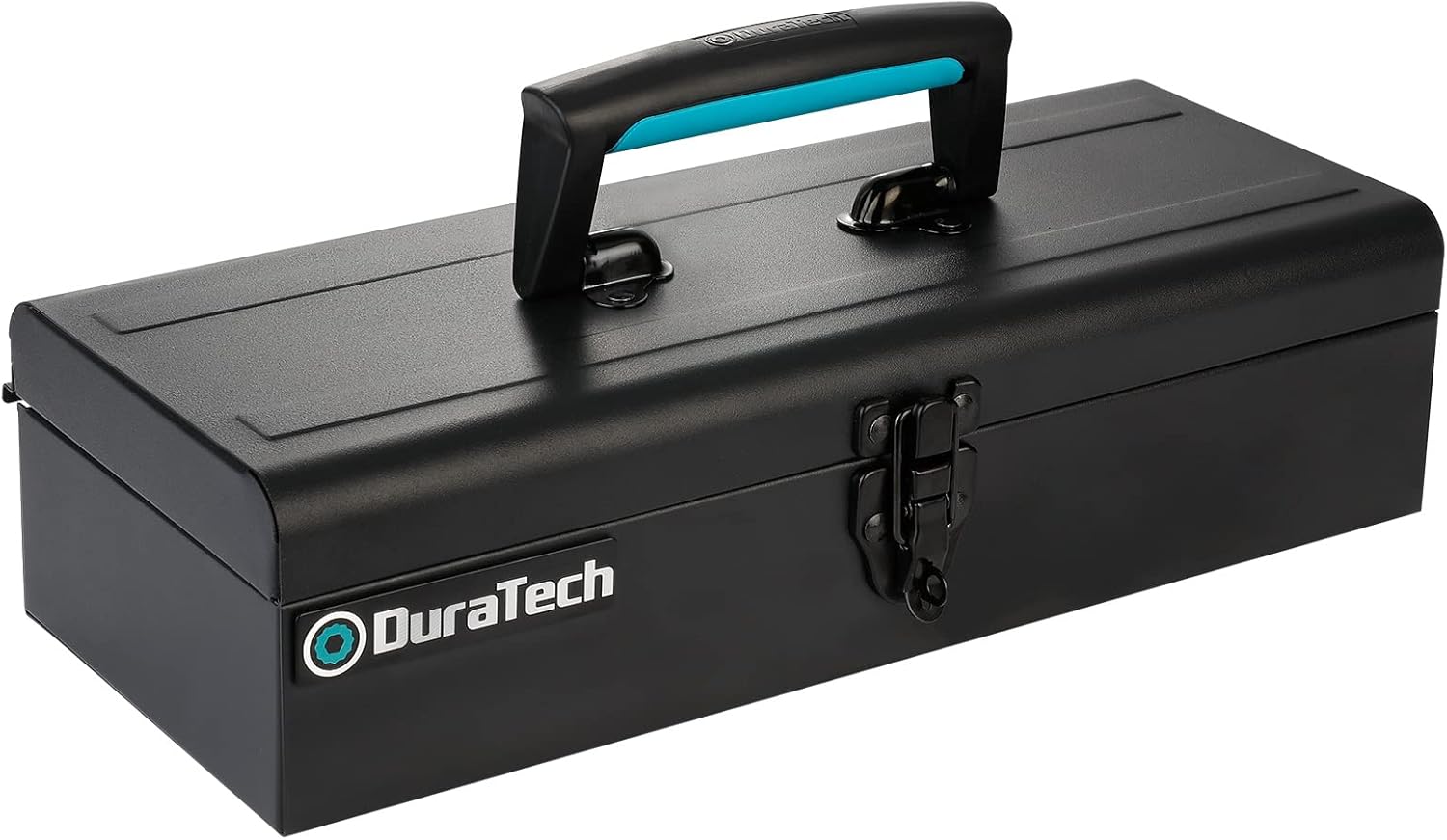
DuraTech Tool Box, 15″ Portable Steel Small Tool Box with Metal Latch Closure & Plastic Handle with Anti-slip Base, Multi-Purpose Heavy Duty Toolbox, Black
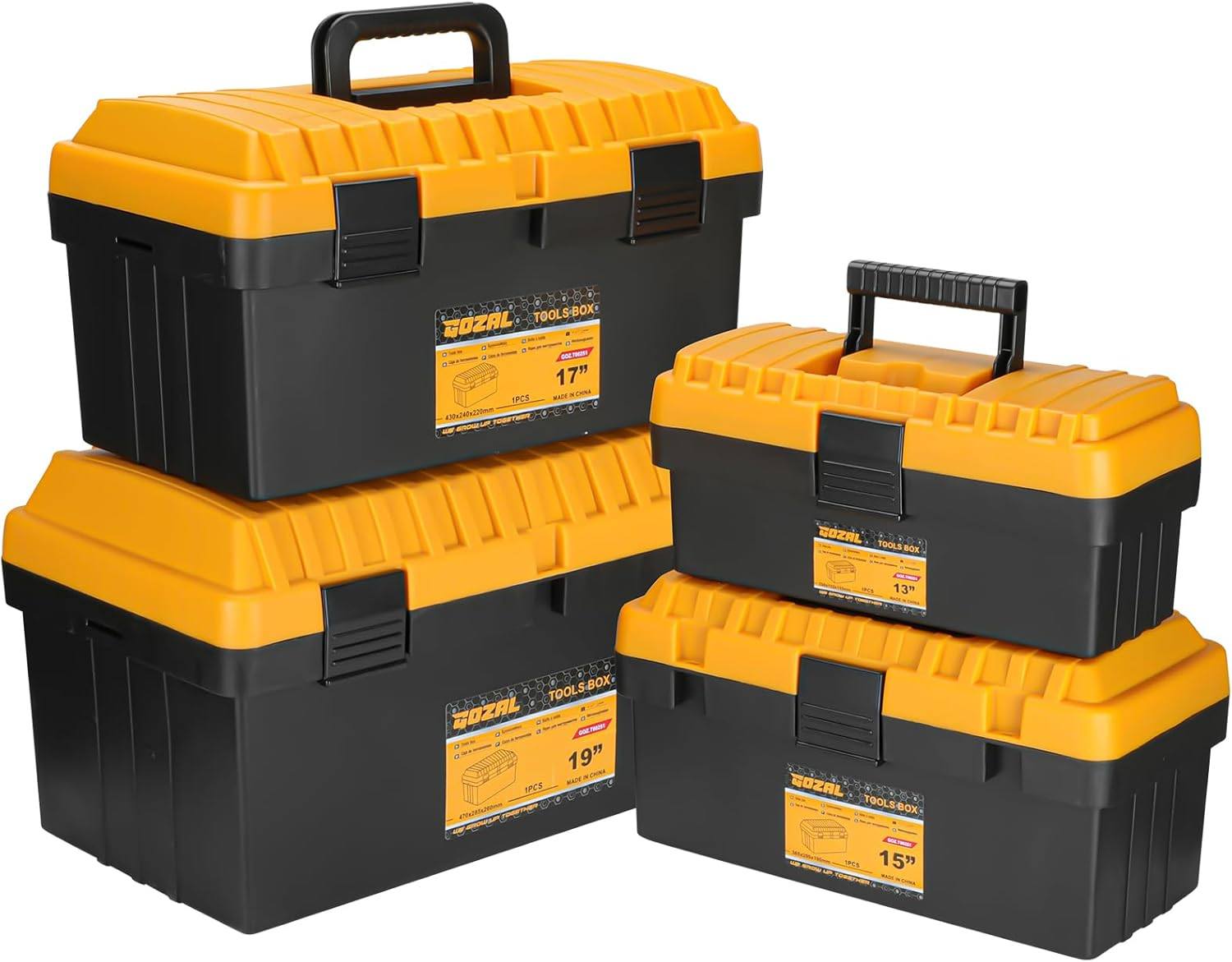
Toolbox Storage Manager with Removable Tray, Suitable for DIY, Home Repair, Garage, RV, Student Use, Compact and Portable
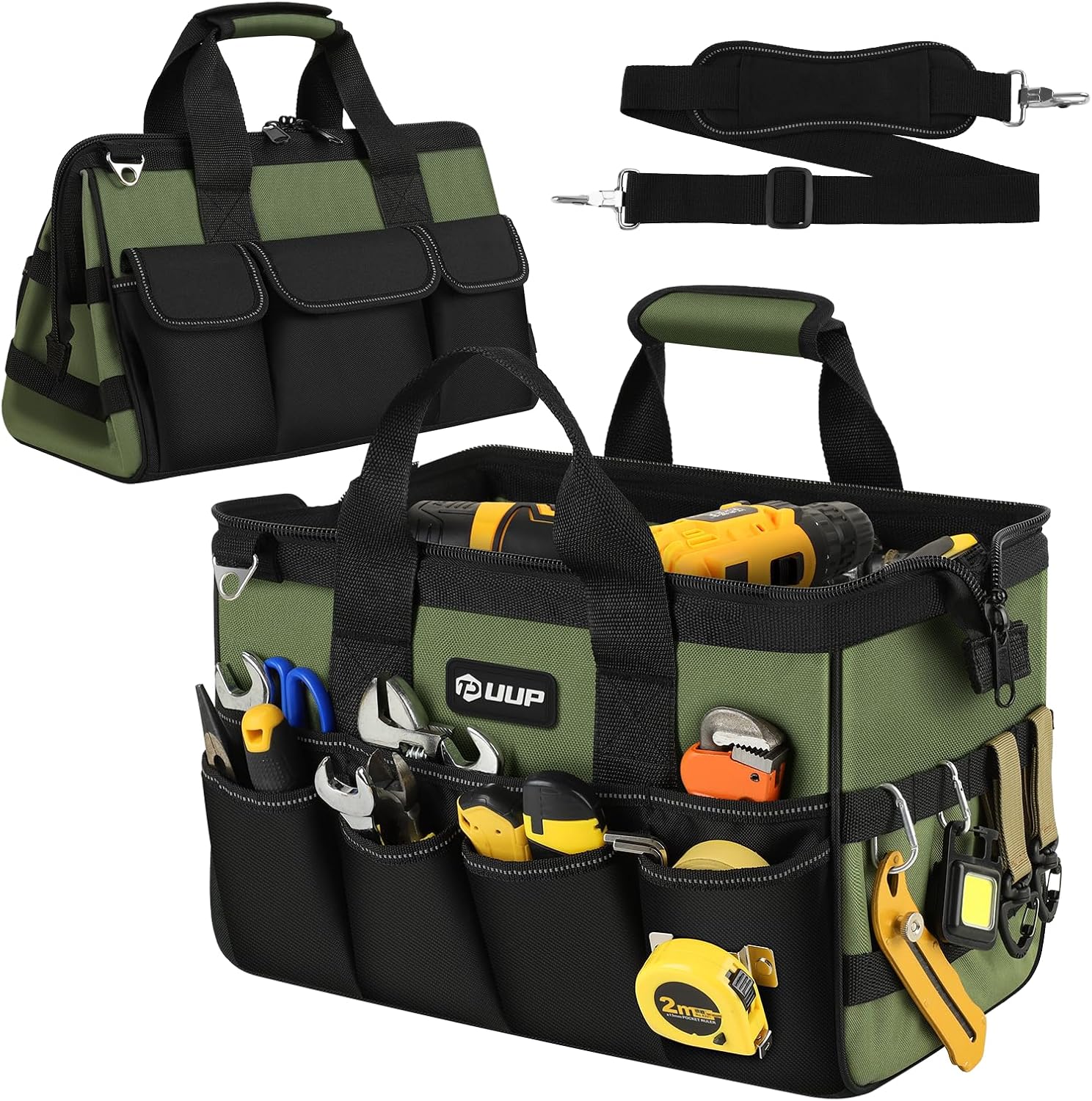
Heavy Duty Tool Bag 15-Inch, 16-Pocket Portable Empty Tool Box Organizer Storage, Toolbox Organization, Soft Handle Large Zipper Carrying Toolbag, Father’s Day Dad Men Mechanic Welding Birthday Gift
Cambodia Needs Peace
The conflict on the Cambodia-Thailand border has been a devastating cycle of violence for generations. While equipping soldiers with the best possible accessories can increase their effectiveness and survivability in the field, it is ultimately a temporary solution to a long-standing political problem. The soldiers, on both sides, are the ones who bear the physical and psychological scars of this conflict. True relief and lasting security for the people of Cambodia and Thailand can only come from a lasting peace, a diplomatic resolution to the territorial disputes, and an end to the armed hostilities. Only then will the need for life-saving combat accessories be replaced by the tools of development and diplomacy. The ultimate goal is not to have better soldiers, but to have no need for them to fight at all.


Reading about essential soldier accessories really highlights how much planning and precision goes into staying prepared in the field. It makes me wonder how do soldiers prioritize what to carry when every item adds weight and space concerns? Are there accessories that most people assume are critical but actually end up being rarely used? I’m also curious if the recommendations differ for soldiers in jungle environments compared to desert or urban missions. For someone completely new to this topic, what would you say is the most overlooked accessory that could make a real difference in an emergency situation?
This is an excellent set of questions that gets to the heart of what makes a soldier’s kit effective. The concept of “essential accessories” is a dynamic one, constantly changing based on the mission, environment, and individual. Here’s a breakdown of how soldiers prioritize gear, what’s often overrated, and a surprisingly crucial, overlooked item.
The military uses a hierarchical system to prioritize gear, often referred to as “lines.” This approach ensures that a soldier always has the most critical equipment on their person, even if they have to drop their heavier pack.
Many people assume certain items are vital for every mission, but their utility depends entirely on the context. The accessories a soldier carries are heavily influenced by their mission’s environment.
This was such an insightful read. The way you highlighted the practical importance of each accessory in the Cambodia-Thailand border conflict really emphasized how survival often depends on the smallest details. I especially found the point about tactical watches and hydration systems fascinating since they go beyond convenience and directly impact a soldier’s endurance and safety. While these tools are critical in the field, I agree with your closing thought that peace is the ultimate “solution” we should strive for. Do you think advancements in soldier gear can actually help reduce conflict by minimizing risks, or do they just make prolonged standoffs more likely?
That’s a fascinating and thoughtful question. The dual role of technology in conflict is a topic with no simple answer, and you’ve accurately identified the core dilemma. It’s a classic example of how a tool’s purpose is determined by the intent of the user.
How Advanced Gear Could Reduce Conflict
On one hand, advancements in soldier gear could genuinely help reduce conflict by minimizing risks and de-escalating tense situations. When a soldier’s personal gear is more sophisticated, it provides a better chance of survival, which can lessen the immediate pressure to retaliate or escalate.
– Improved Awareness: Technology like tactical watches with GPS and secure communication systems can provide real-time battlefield intelligence, reducing the chances of misidentification, friendly fire, or other tragic mistakes that often fuel a cycle of revenge.
– Precision and Restraint: Modern optics and sensor systems enable more precise targeting, allowing for surgical strikes on military objectives while minimizing collateral damage and civilian casualties. This can reduce public outrage and international pressure that might otherwise force a conflict to expand.
– Force Protection: Protective gear, from advanced body armor to medical monitoring systems, can reduce casualties, which may lower the emotional and political pressure to escalate a small skirmish into a full-scale war.
Ultimately, the impact of soldier gear is not inherent to the technology itself. It is a reflection of the geopolitical context and the intent of the nations using it. While the gear can offer a path toward more humane and precise warfare, it is the pursuit of diplomacy and a sincere commitment to peace—as you said, the ultimate solution—that will truly prevent and resolve conflict.
Wow, This is really very well-organized. The specific mention of including a multi-tool and moisture-wicking socks in a basic kit highlights the kind of functional detail that truly makes a difference in the field.
It’s easy to overlook how the cumulative weight of even essential accessories can impact mobility, making the focus on lightweight and multi-use items so critical.
The list includes a high-quality flashlight. For extended operations, what type of battery life would you consider the minimum reliable standard? Also, for the moisture-wicking clothing, are there specific fabric blends you’ve found to be more durable and effective than others over the long term?
Thanks for your constructive comments and questions
In conclusion, a reliable flashlight offers a minimum of 8-10 hours of continuous light on a medium setting, and the most durable moisture-wicking clothing often combines polyester with other synthetics like Spandex or nylon, and sometimes includes Merino wool for added benefits.